 603 Views
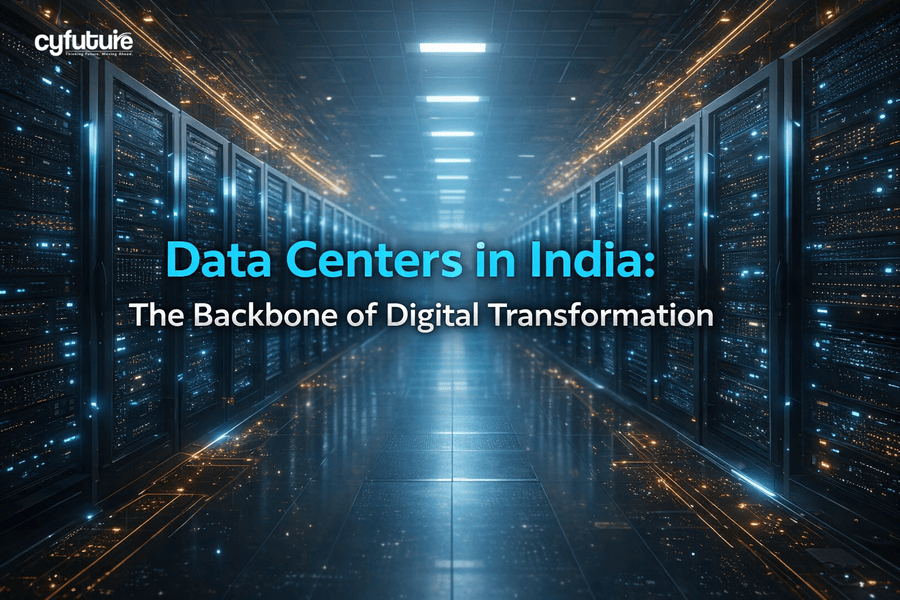
India’s digital economy is expanding at a remarkable pace, driven by the government’s ambitious Digital India initiative, a growing adoption of cloud computing, and the push to establish sovereign data infrastructures. At the heart of this digital revolution lie data centers—the critical hubs that power cloud services, store vast amounts of data, and support innovations in AI, fintech, healthcare, and beyond.
As India positions itself as a global leader in technology, the demand for robust, scalable, and sustainable data centers is intensifying. With increasing reliance on AI/ML workloads, high-performance computing (HPC), and the proliferation of IoT devices, data centers in India are evolving to meet the needs of a new digital era.
This article explores the current landscape of data centers in India, how they support government initiatives, the role of GPU-enabled infrastructure, and the challenges and opportunities ahead.
Over the past decade, India has experienced a remarkable surge in data center infrastructure. This growth is not only a reflection of the expanding demand for digital services but also the government’s targeted efforts to encourage data localization, foster digital sovereignty, and enable global cloud providers to expand their reach within Indian borders.
India is now home to some of the world’s leading data center operators, including Google, Amazon Web Services (AWS), and Microsoft Azure, who have heavily invested in local data centers. As of 2023, India’s data center market is expected to reach an annual revenue of over $4 billion, driven by both foreign and domestic players.
The Indian government’s commitment to building a robust digital ecosystem is evident in its efforts to create favorable policies that drive data center growth. Key initiatives include:
The government has also worked on policies to attract foreign direct investment (FDI) in the data center industry, making India one of the largest hubs for data center development in Asia.
As cloud computing continues to gain traction in India, there has been a growing demand for sovereign cloud solutions. These are cloud services where data is stored and processed within Indian borders, ensuring compliance with data localization regulations and addressing concerns over privacy and national security.
India’s sovereign cloud strategy aims to build secure and reliable infrastructures where government and public sector entities can host sensitive data without compromising on national security or governance. Data centers are central to this strategy as they provide a foundation for private cloud environments that comply with local regulatory standards.
Leading Indian players, including Bharti Airtel, Reliance Jio, and Tata Communications, are setting up their own data centers to provide secure cloud services tailored to the needs of enterprises, startups, and government bodies.
As India strives to become a global leader in artificial intelligence (AI) and machine learning (ML), the role of data centers in supporting these emerging technologies is becoming more critical. AI and HPC workloads require significant compute power, often driven by Graphics Processing Units (GPUs) and high-performance CPUs.
In the context of India’s AI ambitions, data centers are key enablers of several initiatives:
The intersection of HPC, AI, and cloud services is creating a thriving ecosystem where data centers serve as the backbone of national innovation efforts.
The rapid expansion of IoT devices and the need for low-latency, high-speed processing are driving the demand for edge computing. In India, this trend is particularly pronounced in smart cities, automated factories, and connected healthcare platforms, where real-time data processing is critical.
Traditional data centers are often located far from end-users, leading to delays in processing data and latency in services. Edge data centers, on the other hand, are smaller, more localized facilities that handle data processing closer to the source.
In India’s case, edge data centers are increasingly being deployed in urban and semi-urban areas to serve industries like:
These facilities reduce latency, improve application performance, and ensure the seamless delivery of digital services across India’s vast landscape.
While India’s data center industry holds tremendous growth potential, there are several challenges to overcome:
Despite these challenges, India’s data center industry holds immense promise:
A data center is a facility that houses servers, storage systems, and networking equipment to store, process, and manage data. It plays a critical role in digital transformation by enabling businesses to run applications, store large volumes of data, and deliver digital services efficiently.
India is emerging as a data center hub due to increasing internet penetration, rapid digital adoption, government initiatives like Digital India, and growing demand for cloud services. Additionally, favorable policies and investments from global tech companies are accelerating growth.
Data centers provide the physical infrastructure required for cloud computing. They host cloud platforms, ensuring high availability, scalability, and security for businesses using cloud-based applications and services.
Data centers offer several benefits including enhanced data security, improved performance, scalability, disaster recovery, and reduced IT infrastructure costs. They allow businesses to focus on innovation rather than managing hardware.
The future of data centers in India looks promising, with growth driven by AI, IoT, 5G, and edge computing. Increasing demand for sustainable and energy-efficient data centers is also shaping the industry’s evolution.
Data centers in India are no longer just facilities for storing data; they are the beating heart of the country’s digital transformation. As India accelerates its push for AI, cloud computing, and digital infrastructure, the role of these data centers has never been more vital.
From supporting the government’s sovereign cloud and AI-driven initiatives to enabling edge computing and HPC workloads, data centers are fundamental to delivering on India’s national digital objectives. With continued investment, innovation, and collaboration, India’s data center landscape is poised to become one of the most advanced and sustainable in the world.
As the government’s initiatives continue to unfold and private players scale their operations, the future of data centers in India looks incredibly bright—and essential to realizing the nation’s ambition of becoming a global digital leader.