 509 Views
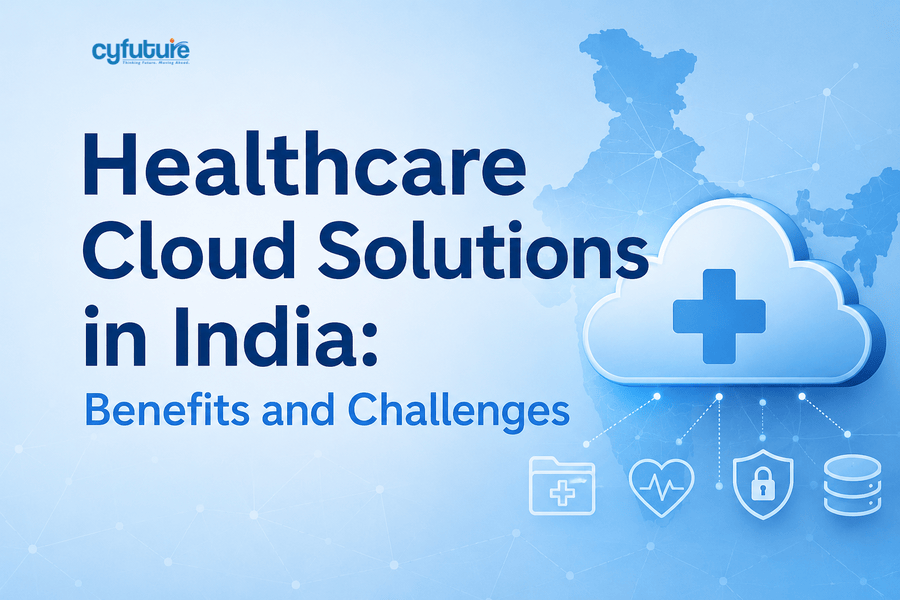
The Indian healthcare industry is rapidly embracing cloud technology to improve patient care, streamline hospital operations, and enable advanced medical research. From electronic health records (EHRs) to AI-powered diagnostics, healthcare cloud solutions are transforming the way hospitals, clinics, and healthcare startups operate in India. With the increasing demand for scalable infrastructure, technologies such as GPU as a Service (GPUaaS), cloud servers, and NVIDIA H100 GPU cloud platforms are becoming essential components of modern healthcare ecosystems.
As healthcare organizations manage massive volumes of medical data, cloud computing provides a secure, scalable, and cost-effective solution. The adoption of healthcare cloud solutions in India is driven by the need for digital transformation, telemedicine expansion, AI-enabled diagnostics, and compliance with evolving healthcare regulations.
Healthcare cloud solutions refer to cloud-based technologies and services that help healthcare organizations store, manage, process, and analyze medical data over the internet. These solutions allow hospitals, diagnostic centers, pharmaceutical companies, and healthcare startups to access computing resources without investing heavily in physical IT infrastructure.
Cloud solutions in healthcare generally include:
Healthcare providers in India are increasingly moving from traditional on-premise systems to cloud-based infrastructure due to flexibility, scalability, and reduced operational costs.
India’s healthcare sector is experiencing significant digital growth. Factors contributing to cloud adoption include:
The COVID-19 pandemic accelerated digital healthcare adoption across India. Hospitals and healthcare providers realized the importance of secure cloud infrastructure for remote consultations, medical record management, and real-time collaboration.
Today, healthcare organizations are investing in advanced cloud solutions to improve operational efficiency and patient outcomes.
Cloud solutions allow doctors, nurses, and healthcare professionals to access patient records from anywhere. This improves coordination between departments and enables faster medical decisions.
Healthcare providers can securely access:
This accessibility improves patient care and reduces administrative delays.
Traditional healthcare IT infrastructure can be expensive and difficult to scale. Cloud servers provide on-demand scalability based on organizational needs.
Hospitals can:
This flexibility is particularly useful for multi-location hospitals and telemedicine platforms.
Cloud solutions reduce the need for large upfront investments in hardware and data centers. Healthcare organizations can adopt a pay-as-you-go model, lowering operational expenses.
Benefits include:
Cloud-based infrastructure is especially beneficial for small and mid-sized healthcare providers in India.
Healthcare data is highly sensitive and requires strong security measures. Modern healthcare cloud solutions provide:
Cloud providers invest heavily in cybersecurity technologies to protect patient data from breaches and ransomware attacks.
Artificial intelligence is revolutionizing healthcare diagnostics and medical research. AI applications require massive computing power, which cloud infrastructure can deliver efficiently.
Healthcare organizations use AI for:
This is where GPU as a Service and NVIDIA H100 GPU cloud infrastructure become highly valuable.
GPU as a Service (GPUaaS) allows healthcare organizations to access high-performance GPUs through cloud platforms without purchasing expensive hardware.
GPUs are essential for AI and machine learning applications because they can process massive datasets much faster than traditional CPUs.
Healthcare AI workloads involve:
GPUaaS enables healthcare organizations to run these applications efficiently while reducing infrastructure costs.
GPUs accelerate AI training and inference processes, reducing analysis time significantly.
Cost Savings
Healthcare providers can rent GPU resources instead of investing in costly GPU hardware.
Scalability
Organizations can scale GPU resources based on workload requirements.
Faster Innovation
Researchers can train complex AI models more efficiently.
Remote Accessibility
Doctors and researchers can access GPU resources from anywhere through cloud platforms.
The NVIDIA H100 GPU is one of the most advanced AI accelerators available today. It is designed for high-performance AI, machine learning, and data analytics workloads.
Healthcare organizations use NVIDIA H100 GPU cloud infrastructure for:
Exceptional AI Performance
The H100 GPU delivers extremely fast processing for large AI models and healthcare datasets.
Real-Time Diagnostics
Doctors can receive AI-assisted diagnostic insights in real time.
Better Research Capabilities
Medical researchers can analyze large genomic and clinical datasets efficiently.
Advanced Deep Learning
Healthcare AI applications benefit from faster training and improved accuracy.
Cloud-Based Accessibility
Organizations can access NVIDIA H100 GPU power without setting up physical GPU clusters.
Role of Cloud Servers in Healthcare
Cloud servers form the backbone of modern healthcare cloud infrastructure. They host applications, databases, and medical platforms while ensuring continuous availability.
High Availability
Cloud servers ensure healthcare applications remain accessible 24/7.
Remote Collaboration
Doctors can collaborate securely across locations.
Data Backup and Recovery
Cloud servers provide automated backups and disaster recovery systems.
Faster Deployment
Healthcare applications can be deployed quickly with minimal downtime.
Better Resource Utilization
Organizations can optimize infrastructure usage efficiently.
Despite the benefits, healthcare cloud adoption in India also faces several challenges.
Patient information is highly confidential. Healthcare organizations must ensure compliance with data protection regulations and maintain strict security standards.
Concerns include:
Reliable internet connectivity is essential for cloud-based healthcare systems. Rural and remote areas in India may face connectivity limitations.
This can affect:
Healthcare organizations must comply with evolving data protection and healthcare regulations. Managing compliance across cloud platforms can be complex.
Many hospitals still use legacy systems that may not integrate easily with modern cloud infrastructure.
Challenges include:
Although cloud solutions reduce long-term costs, the migration process may require initial investments in:
The future of healthcare cloud computing in India looks highly promising. Emerging technologies such as AI, machine learning, IoT, and advanced GPU cloud infrastructure will continue to transform healthcare delivery.
Key trends include:
Healthcare providers are expected to invest more in scalable cloud solutions to improve efficiency, reduce costs, and deliver better patient experiences.
Healthcare cloud solutions are reshaping the Indian healthcare industry by enabling scalable infrastructure, AI-powered innovation, and improved patient care. Technologies such as cloud servers, GPU as a Service, and NVIDIA H100 GPU cloud platforms are empowering hospitals and healthcare organizations to manage complex workloads efficiently.
While challenges such as data privacy, regulatory compliance, and infrastructure limitations remain, the long-term benefits of healthcare cloud adoption are significant. As digital transformation accelerates across India, cloud computing will continue to play a critical role in building smarter, faster, and more connected healthcare systems.
Organizations that invest in advanced healthcare cloud infrastructure today will be better positioned to deliver innovative healthcare services, support AI-driven medical advancements, and meet the growing demands of modern healthcare in India.