 649 Views
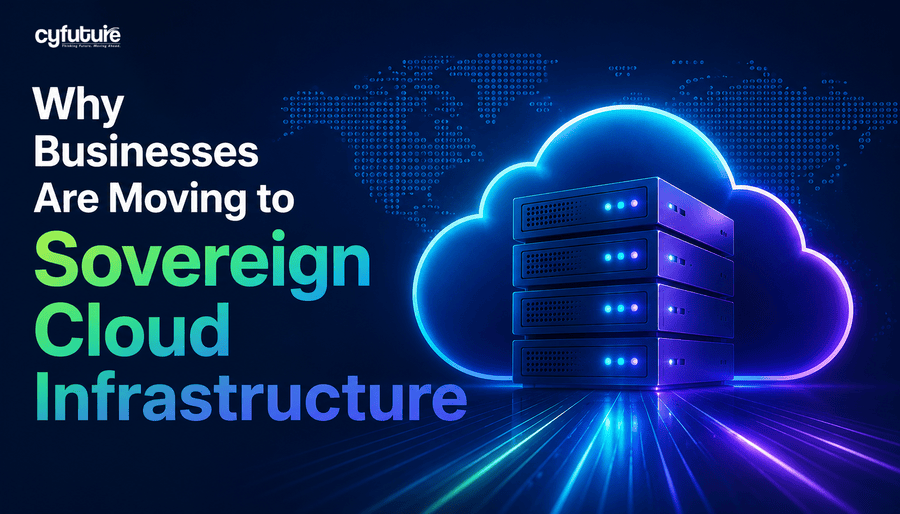
In today’s digital economy, data has become one of the most valuable business assets. Organizations across industries are generating, storing, and processing massive amounts of sensitive information every day. From customer records and financial transactions to healthcare data and intellectual property, businesses now face increasing pressure to ensure that their data remains secure, compliant, and under their control. This growing need for data governance is one of the biggest reasons why enterprises are rapidly adopting sovereign cloud infrastructure.
Sovereign cloud is no longer just a trend—it has become a strategic necessity for enterprises operating in highly regulated environments. Governments, financial institutions, healthcare providers, eCommerce companies, and global enterprises are investing in sovereign cloud solutions to maintain data residency, strengthen cybersecurity, and meet regulatory compliance requirements.
Companies like Cyfuture are helping organizations modernize their IT ecosystems through advanced cloud services and enterprise-grade data center infrastructure designed to support secure, scalable, and compliant digital transformation.
Sovereign cloud infrastructure refers to cloud environments where data, applications, and digital assets remain under the jurisdiction and governance of a specific country or region. Unlike traditional public cloud platforms, where data may be distributed across multiple international locations, sovereign cloud ensures that critical business data stays within defined geographic boundaries.
This model gives organizations greater control over:
Sovereign cloud environments are often built within highly secure data centers that comply with national cybersecurity regulations and industry-specific standards.
The increasing adoption of AI, IoT, big data analytics, and hybrid work environments has created new challenges for enterprises. Businesses are dealing with rising cyber threats, stricter compliance laws, and growing concerns around unauthorized data access.
Several factors are accelerating the shift toward sovereign cloud infrastructure.
Countries around the world are introducing stricter data protection laws. Regulations such as GDPR in Europe, India’s Digital Personal Data Protection Act (DPDP), and other regional compliance frameworks require organizations to manage sensitive data responsibly.
Businesses that fail to comply may face:
Sovereign cloud helps organizations meet these compliance requirements by ensuring that sensitive data remains stored and processed within approved national boundaries.
Cyberattacks are becoming more sophisticated and frequent. Enterprises are now prime targets for ransomware, phishing, insider threats, and state-sponsored attacks.
Sovereign cloud environments provide enhanced security through:
Modern data center providers like Cyfuture Cloud Services offer enterprise-grade cloud services designed to protect mission-critical workloads while ensuring business continuity.
Traditional public cloud models may create concerns around third-party data access and cross-border data transfers. Many enterprises want direct control over where their data resides and who can access it.
Sovereign cloud allows businesses to:
This level of control is especially important for government agencies, defense organizations, BFSI companies, and healthcare providers.
As businesses accelerate digital transformation initiatives, cloud adoption continues to grow rapidly. However, enterprises also need a secure and compliant infrastructure that supports modernization without compromising regulatory requirements. Many enterprise software development companies now rely on sovereign cloud environments to build secure, scalable, and compliance-ready digital solutions for modern businesses.
Sovereign cloud enables organizations to adopt technologies like:
At the same time, businesses can maintain compliance and operational control.
One of the biggest advantages of sovereign cloud infrastructure is improved security. Since data remains within a controlled geographic environment, organizations can implement stronger security protocols aligned with local laws and industry standards.
Advanced data center facilities often include:
These capabilities help minimize security risks and improve resilience against cyberattacks.
Compliance is a major challenge for enterprises operating in regulated industries. Sovereign cloud simplifies compliance management by ensuring data storage and processing align with national and sector-specific regulations.
Industries benefiting from sovereign cloud include:
Cloud providers with local data center infrastructure can help organizations meet compliance requirements more efficiently.
Business continuity is essential in today’s always-on digital environment. Downtime can lead to revenue loss, customer dissatisfaction, and reputational damage.
Sovereign cloud infrastructure offers:
Leading cloud providers ensure enterprise workloads remain operational even during unexpected disruptions.
When data is stored closer to users and business operations, organizations experience lower latency and faster application performance.
This is especially important for:
Regional data center infrastructure improves response times and enhances user experiences.
Many businesses initially assume sovereign cloud is more expensive than traditional cloud models. However, it can actually reduce long-term operational costs through:
Cloud service providers also offer flexible pricing models that help businesses scale resources based on demand.
Data centers are the foundation of sovereign cloud ecosystems. Modern enterprise-grade data centers provide the physical and digital infrastructure needed to support secure cloud environments.
A robust sovereign cloud strategy depends on data centers that offer:
Organizations increasingly prefer cloud providers with locally managed and strategically located data centers to ensure operational reliability and regulatory alignment.
Cyfuture Data Centers and cloud services are helping enterprises build secure and scalable digital ecosystems tailored to modern business needs.
Cyfuture offers:
Its advanced infrastructure supports businesses looking for reliable sovereign cloud solutions with high availability, strong security, and compliance-focused operations.
Organizations across sectors leverage Cyfuture’s cloud ecosystem to accelerate digital transformation while maintaining control over critical business data.
Financial institutions handle highly sensitive customer information and transaction data. Sovereign cloud helps BFSI organizations comply with regulatory requirements while ensuring secure financial operations.
Key benefits include:
Healthcare providers generate enormous volumes of confidential patient data. Sovereign cloud infrastructure enables secure storage and processing of medical records while maintaining compliance with healthcare regulations.
Healthcare organizations use sovereign cloud for:
Governments require highly secure digital infrastructure to manage citizen data, defense systems, and public services.
Sovereign cloud enables:
Retailers increasingly rely on cloud platforms for inventory management, customer analytics, and omnichannel experiences.
Sovereign cloud helps protect:
The future of sovereign cloud is closely tied to emerging technologies and evolving regulatory landscapes. As organizations adopt AI-driven applications and digital services, demand for secure and compliant cloud infrastructure will continue to rise.
Several trends will shape the future of sovereign cloud:
AI workloads require massive computational resources and secure data environments. Sovereign cloud providers are investing in AI-ready infrastructure with high-performance computing capabilities.
Businesses are increasingly adopting hybrid and multi-cloud strategies to improve flexibility and avoid vendor lock-in.
Sovereign cloud environments will play a critical role in managing sensitive workloads within these architectures.
The expansion of edge computing will increase demand for localized data processing and low-latency cloud infrastructure.
Regional data centers will become even more important in supporting real-time applications.
Governments worldwide are expected to introduce stricter data localization and cybersecurity laws, further accelerating sovereign cloud adoption.
Sovereign cloud infrastructure is transforming how businesses manage data security, compliance, and digital operations. As organizations face increasing regulatory pressure and cybersecurity risks, the need for localized, secure, and compliant cloud environments continues to grow.
Modern enterprises are no longer choosing cloud solutions based solely on scalability and cost—they are prioritizing data sovereignty, operational control, and resilience.
With advanced data center infrastructure and enterprise-grade cloud services, companies like Cyfuture Technologies are enabling businesses to embrace secure digital transformation while maintaining full control over their critical data assets.
As the digital economy evolves, sovereign cloud will become a foundational element of enterprise IT strategies, helping organizations build secure, future-ready, and compliant digital ecosystems.