 32 Views
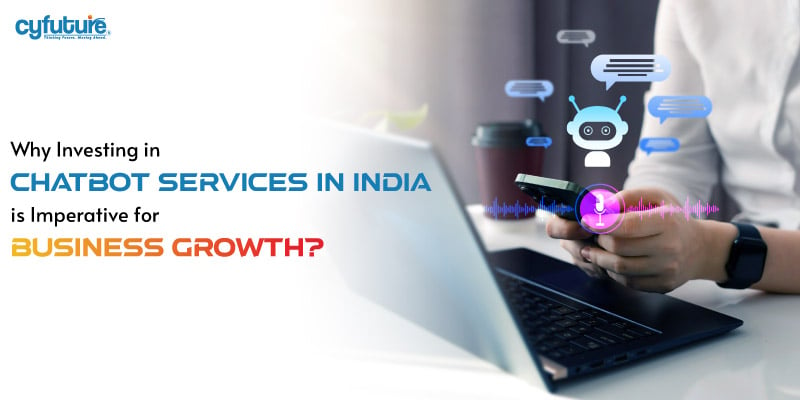
The digital landscape in India is rapidly evolving, with businesses increasingly turning to automation and AI-driven solutions to stay competitive. One of the most significant innovations in customer service and engagement is the advent of chatbot services. As businesses strive to meet the demands of an increasingly tech-savvy customer base, chatbots have become indispensable tools for enhancing customer experience, improving operational efficiency, and reducing costs.
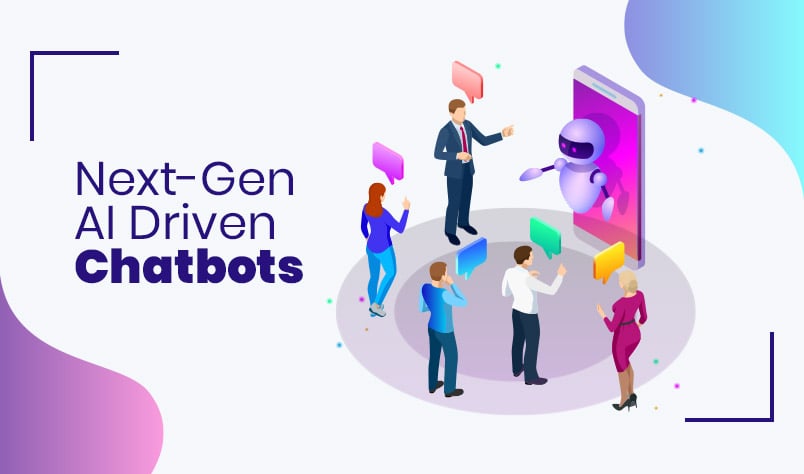
A chatbot is a software application that uses natural language processing (NLP) and artificial intelligence (AI) to engage with users in a conversational manner, typically through text or voice. These AI-powered assistants can perform a variety of functions, from answering frequently asked questions (FAQs) to helping users complete complex tasks. In India, the adoption of chatbot services is rapidly growing, driven by the country’s increasing internet penetration, the rise of mobile-first usage, and the demand for cost-effective, scalable customer service solutions.
This blog explores the growing relevance of chatbot services in India, the benefits they offer to businesses, and how Indian companies can harness their power to drive innovation and growth.
Chatbot services involve the deployment of AI-powered bots to handle various interactions between businesses and customers. These bots are typically deployed on websites, social media platforms, messaging apps, or mobile applications, where they can engage users in real-time. The core functions of chatbot services include:
These bots operate based on algorithms, machine learning, and deep learning techniques, allowing them to learn from past interactions and improve over time. Whether they are rule-based or AI-powered, chatbots provide businesses with a scalable, cost-effective way to engage with customers 24/7.
India’s rapid digitalization, fueled by the Digital India initiative and the increase in internet penetration and smartphone usage, has created a ripe environment for chatbot services. As businesses across the country look for ways to improve customer engagement, many are adopting chatbots to streamline communication, provide round-the-clock support, and reduce the need for human agents.
Here are a few reasons why chatbot services are becoming increasingly popular in India:
India’s mobile-first population, with over 700 million internet users, has led to a significant shift in how consumers interact with businesses. With smartphones being the primary mode of internet access, companies are investing in mobile-optimized chatbot services to cater to this growing audience.
Chatbots can be integrated into mobile apps, WhatsApp, Facebook Messenger, and Instagram, all of which are widely used in India. This allows businesses to reach a broad customer base through platforms their audience is already using.
Indian consumers, particularly millennials and Gen Z, are increasingly seeking self-service options when interacting with brands. They expect fast, efficient, and convenient responses to their inquiries without the need to engage with a human representative. Chatbots deliver on this expectation by providing instant answers, improving overall customer satisfaction, and reducing the workload of customer service teams.
For businesses, especially in India’s SMB sector, maintaining a 24/7 customer service team can be expensive. Chatbots offer a cost-effective solution by automating routine tasks, allowing businesses to handle large volumes of customer queries without increasing headcount. The reduction in operational costs, coupled with the ability to deliver round-the-clock support, makes chatbot services an attractive option.
Indian consumers expect personalized, relevant interactions with brands. Chatbots, powered by AI and machine learning, can provide personalized recommendations, answer queries based on past interactions, and guide customers toward products and services that best meet their needs. This level of personalization enhances the customer experience, driving satisfaction and loyalty.
One of the primary reasons businesses in India are adopting chatbot services is to enhance customer engagement. Chatbots can engage customers in real-time, offering quick responses to inquiries, personalized product recommendations, and consistent support. This instant engagement improves the customer experience, ensuring that customers receive timely assistance regardless of the time of day.
For example, e-commerce businesses in India can use chatbots to assist customers with product searches, order tracking, and payment processing. Banks and fintech companies are leveraging chatbots to guide customers through account-related inquiries, fund transfers, and loan applications, improving overall service delivery and customer satisfaction.
A significant advantage of chatbots is their ability to reduce costs and improve efficiency. By automating repetitive tasks like answering FAQs, providing product information, and handling appointment scheduling, businesses can free up human agents to focus on more complex issues.
In India, where customer service outsourcing can be costly, chatbots provide a scalable solution. They allow businesses to reduce their dependency on large customer support teams while maintaining a high level of service. Furthermore, chatbots can handle high volumes of queries simultaneously, ensuring that no customer has to wait in a queue.
Unlike human agents, chatbots can operate around the clock without breaks, ensuring continuous availability for customers. This is especially beneficial for businesses with customers in multiple time zones or for those operating in industries where customers expect constant support, such as e-commerce, banking, and telecommunications.
In India’s fast-paced market, customers appreciate the convenience of receiving immediate assistance, whether it’s for tracking an order, resolving a billing issue, or getting product recommendations at any hour of the day.
Chatbots also play a vital role in lead generation by qualifying leads and gathering customer information through conversational interactions. For example, a chatbot on a business’s website or social media page can ask users questions to understand their needs and direct them to relevant products or services.
In India’s growing e-commerce and real estate sectors, chatbots are used to capture potential leads, schedule follow-up calls, and even initiate sales transactions directly through the chat interface. This increases conversion rates by quickly engaging leads and guiding them through the sales funnel.
Another significant advantage of chatbots is their ability to gather valuable customer data. As users interact with the chatbot, businesses can collect insights into customer preferences, common issues, and frequently asked questions. These insights help businesses optimize their products, services, and overall customer engagement strategies.
For example, an Indian fintech company using a chatbot for customer queries could gather data about the most common concerns related to digital payments or loan eligibility, enabling them to improve their services based on actual customer feedback.
In the e-commerce sector, chatbots are used for product recommendations, order tracking, and customer support. Flipkart, Amazon India, and Myntra have implemented chatbots to assist customers with product discovery and resolve common inquiries, improving overall shopping experiences and increasing sales.
In India’s banking sector, ICICI Bank, HDFC Bank, and SBI have integrated chatbots to provide customers with a wide range of services, such as balance checks, fund transfers, bill payments, and loan inquiries. These chatbots are also used to enhance customer engagement and drive financial literacy.
In the healthcare sector, chatbots are used to schedule appointments, provide symptom checks, and send medication reminders. Indian healthcare providers like Practo and 1mg are leveraging chatbots to engage patients and enhance the overall healthcare experience.
Indian travel agencies and hotel chains use chatbots to help users book flights, check hotel availability, and make travel arrangements. Chatbots make it easy for customers to get instant answers to their queries and complete bookings without human intervention.
Despite their many benefits, chatbot services also come with certain challenges. These include:
Chatbot services use artificial intelligence (AI) and natural language processing (NLP) to simulate human conversations. They interact with customers through websites, mobile apps, and messaging platforms to answer queries, provide support, and automate repetitive tasks in real time.
Chatbots provide instant responses, 24/7 availability, and personalized interactions. In India’s diverse and fast-growing digital market, they help businesses handle large volumes of customer queries efficiently, reduce wait times, and ensure consistent support across multiple channels.
Yes, chatbot services significantly reduce operational costs by automating routine customer interactions. Businesses can minimize the need for large customer support teams, lower training expenses, and improve efficiency by handling multiple queries simultaneously without human intervention.
Industries such as e-commerce, banking, healthcare, telecom, travel, and customer support services benefit greatly. Chatbots help these sectors manage high customer engagement, provide quick resolutions, and streamline operations effectively.
Yes, chatbot services are highly customizable. Businesses in India can tailor chatbots based on their industry, customer behavior, language preferences (including regional languages), and specific use cases like lead generation, customer support, or sales assistance.
Chatbot services are quickly becoming an integral part of India’s digital economy, offering businesses a powerful tool for improving customer engagement, enhancing service efficiency, and driving growth. Whether in e-commerce, banking, healthcare, or
hospitality, chatbots are reshaping the way businesses interact with customers, making operations more efficient while providing 24/7 support.
For businesses in India, adopting chatbot services is no longer just an option—it’s a necessity for staying competitive in a fast-paced, tech-driven market. By embracing chatbot technology, businesses can not only provide superior customer experiences but also unlock new opportunities for innovation and growth.