 538 Views
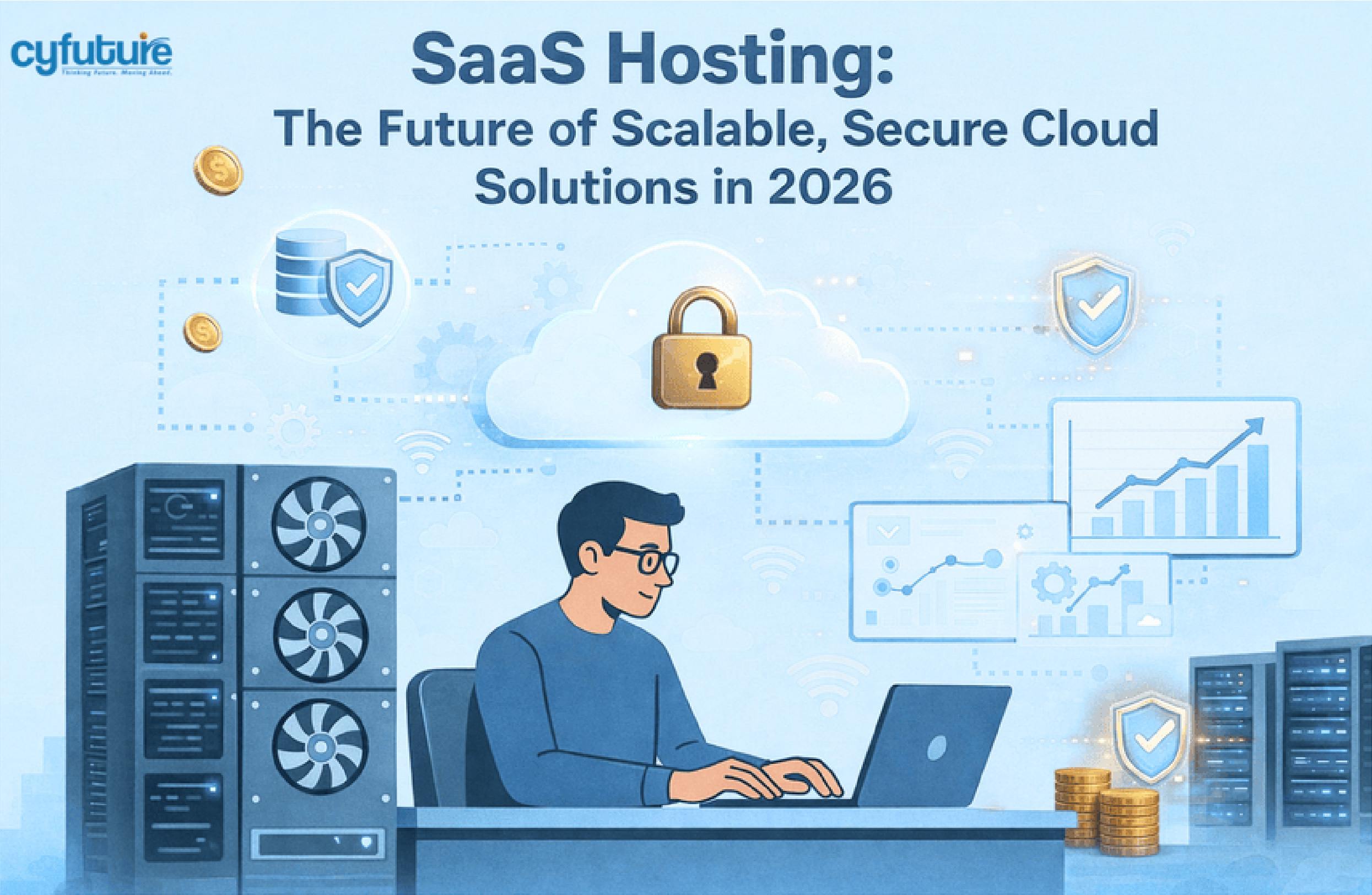
As we approach 2026, the Software as a Service (SaaS) model has already transformed the way businesses operate, from startups to global enterprises. SaaS solutions now power everything from customer relationship management (CRM) to advanced enterprise resource planning (ERP), AI-driven analytics, and collaborative tools. But what makes these services seamless, secure, and scalable? The answer lies in the SaaS hosting infrastructure.
In 2026, the demand for robust, scalable, and secure hosting solutions for SaaS applications will only grow. As businesses continue to embrace digital transformation, SaaS hosting will remain the backbone of cloud-based software delivery. Whether you’re a SaaS provider looking to improve uptime, enhance user experience, or scale rapidly, understanding the nuances of SaaS hosting will be crucial.
In this blog, we’ll explore why SaaS hosting is pivotal for SaaS businesses in 2026, the emerging trends to watch, and how to choose the right hosting provider to ensure your platform thrives in the years ahead.
SaaS hosting refers to the infrastructure used to host a SaaS application. Unlike traditional software, which is installed and run locally on end-user devices, SaaS applications are hosted on cloud servers, allowing users to access them via the internet. The service provider manages everything from hardware maintenance and software updates to data security and compliance, while customers enjoy a seamless, scalable, and always-available service.
By 2026, cloud computing will continue to drive SaaS hosting innovations, with hyperscale cloud data centers, AI-driven optimization, and serverless architectures enabling SaaS companies to meet growing user demands without heavy upfront costs or maintenance headaches.
One of the most important aspects of SaaS hosting is its scalability. With SaaS platforms catering to a growing number of users, it’s vital for providers to scale their infrastructure quickly to meet demand. This is where cloud-based hosting excels. In 2026, cloud platforms will offer even more advanced tools to help providers scale automatically based on usage spikes, ensuring consistent performance.
With features like auto-scaling, elastic load balancing, and serverless computing, hosting platforms will continue to allow SaaS businesses to add or remove computing resources seamlessly, paying only for what they use.
For SaaS providers, downtime is more than just an inconvenience—it can severely impact customer satisfaction, lead to lost revenue, and damage a brand’s reputation. That’s why SaaS hosting will remain focused on delivering high availability and uptime guarantees. In 2026, leading SaaS hosting providers will continue to offer multi-region failover systems, ensuring that your app remains up and running even if one data center faces issues.
Robust disaster recovery solutions and real-time monitoring will be standard features, helping SaaS businesses keep their apps running smoothly even during unforeseen circumstances. With the rise of edge computing, latency will be further reduced, especially for real-time applications that rely on low latency, such as IoT, AI, and high-performance computing.
Security will always be top of mind for SaaS providers, especially as they scale and handle increasing amounts of sensitive user data. By 2026, security features like end-to-end encryption, zero-trust security models, and AI-based threat detection will be integrated into the core of SaaS hosting platforms.
Compliance will continue to be a challenge for many industries, especially healthcare, finance, and government sectors. SaaS hosting providers will offer specialized solutions designed to meet region-specific regulations like GDPR, HIPAA, CCPA, and SOC 2, ensuring that businesses can remain compliant while maintaining secure, efficient operations.
In 2026, AI will play a significant role in how SaaS applications are hosted. Hosting platforms will leverage AI to optimize everything from resource allocation to predictive maintenance. AI can analyze patterns in user demand and automatically adjust the allocation of resources, ensuring better performance and reducing the risk of outages.
AI-powered tools will also help businesses identify potential security threats and vulnerabilities faster, allowing SaaS providers to respond more effectively and proactively.
The serverless computing model allows developers to focus on writing code without worrying about managing the underlying infrastructure. As more businesses embrace serverless architectures, SaaS hosting providers will continue to offer serverless platforms that automatically scale computing power and only charge for the actual compute time used.
By 2026, serverless computing will become the preferred model for many SaaS businesses looking for cost-efficiency and performance optimization.
As sustainability becomes an increasingly important focus, SaaS providers will be expected to reduce their environmental footprint. In 2026, green cloud hosting will see significant growth, with data centers powered by renewable energy sources like solar, wind, and hydropower. SaaS hosting providers will also implement energy-efficient cooling systems and advanced power management technologies to reduce carbon emissions.
Businesses will increasingly seek hosting providers that have strong commitments to environmental sustainability, and green certification will become a key decision factor for companies looking to partner with a hosting provider.
In 2026, the trend of multi-cloud and hybrid cloud strategies will continue to grow as SaaS providers seek flexibility, resilience, and performance. A multi-cloud approach allows businesses to use services from multiple cloud providers (such as AWS, Azure, and Google Cloud) to prevent vendor lock-in and optimize workloads.
Hybrid clouds will allow businesses to mix on-premise servers with public cloud services, providing the flexibility to run sensitive workloads on private infrastructure while leveraging the scalability and power of public cloud services.
As IoT devices, autonomous vehicles, and other real-time applications become more prevalent, edge computing will become increasingly important. By 2026, more SaaS platforms will integrate with edge data centers, processing data closer to the end-user to reduce latency and enable real-time decision-making.
SaaS providers serving industries like smart cities, telemedicine, autonomous driving, and AI-powered robotics will depend heavily on edge computing to deliver the ultra-low latency required for their applications to function.
Selecting the right SaaS hosting provider is critical to the success of your SaaS application. Here are some factors to consider when evaluating your options in 2026:
As your SaaS platform grows, you need a hosting provider that can scale quickly and efficiently. Look for providers that offer elastic scaling, load balancing, and auto-scaling features. You should be able to easily adjust resources as user demand fluctuates without having to worry about downtime or performance issues.
Ensure your hosting provider complies with the latest security protocols and meets industry-specific regulatory requirements. The best providers will offer end-to-end encryption, multi-factor authentication, and regular security audits.
Your hosting provider should offer 24/7 customer support and provide clear SLAs that outline performance expectations, uptime guarantees, and response times. Look for providers that can ensure a high level of uptime (99.9% or above) and offer dedicated support to address any technical issues quickly.
If your SaaS platform serves a global audience, ensure your hosting provider offers data centers in multiple regions. A provider with a global infrastructure can reduce latency for users and help ensure high availability across different geographies.
Evaluate the cost structures of different hosting options, including pay-as-you-go and reserved instances. While cloud platforms like AWS and Azure offer flexible pricing models, be sure to calculate long-term costs and optimize based on expected growth.
As we look toward 2026, SaaS hosting will remain at the heart of the digital transformation for businesses worldwide. With the continued rise of AI, edge computing, multi-cloud strategies, and sustainable infrastructure, SaaS hosting will evolve to meet the demands of an increasingly complex digital landscape.
For SaaS providers, choosing the right hosting partner will be crucial to delivering secure, reliable, and scalable services that meet user expectations. As technology advances and the SaaS ecosystem grows, those who adopt cutting-edge hosting solutions will be best positioned to succeed in an ever-changing market.
The future of SaaS hosting is bright—and businesses that invest in the right infrastructure today will be ready to thrive in 2026 and beyond.